
The closure of the Strait of Hormuz during a potential conflict involving Iran, the United States, and Israel would have severe consequences for the global economy. The Strait of Hormuz is one of the most critical energy chokepoints in the world, as roughly 20% of global oil supply and a significant portion of liquefied natural gas (LNG) shipments pass through it every day. If this route were blocked, global energy markets would experience immediate disruption.
LNG transport through the Strait of Hormuz

Strait of Hormuz – GLOBAL CRISIS (2026) | Global Oil and LNG at Risk | 4K
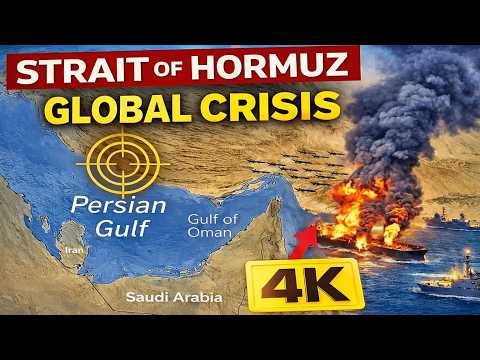
Watch this video directly on YouTube
Watch on YouTubeFor the best viewing experience, watch the full video on the World Guide YouTube channel at youtube.com/@WorldGuide.
Where is Strait of Hormuz on the Google Map
Volume of LNG Transported Through the Strait of Hormuz (2024 Daily Average)
The Strait of Hormuz is one of the world’s most critical energy chokepoints.
A large portion of global liquefied natural gas (LNG) shipments pass through this narrow
waterway between Iran and Oman.
- 84% of LNG shipments through the Strait of Hormuz are transported to Asia.
- 14% of LNG shipments are transported to Europe.
Any disruption to this route could significantly impact global energy supply,
especially for Asian economies that depend heavily on LNG imports.
Volume of LNG Transported Through the Strait of Hormuz (2024 Daily Average)
The Strait of Hormuz is one of the world’s most critical energy chokepoints. A large portion of global liquefied natural gas (LNG) shipments pass through this narrow waterway between Iran and Oman.
- 84% of LNG shipments through the Strait of Hormuz are transported to Asia.
- 14% of LNG shipments are transported to Europe.
Any disruption to this route could significantly impact global energy supply, especially for Asian economies that depend heavily on LNG imports.
One of the first impacts would be a sharp increase in global oil and gas prices. Countries in the Persian Gulf—such as Saudi Arabia, Iraq, Kuwait, and the United Arab Emirates—export most of their oil through this narrow passage. If shipments were halted or delayed, supply shortages would push prices upward, increasing energy costs for industries, transportation, and households worldwide.
Higher energy prices would likely trigger inflation across many economies. Manufacturing, shipping, and electricity generation all depend heavily on energy, meaning production costs would rise. As a result, the prices of everyday goods—from food to electronics—could increase, placing additional pressure on both developed and developing economies.
Financial markets would also react strongly. Investors tend to respond quickly to geopolitical instability, so global stock markets could become volatile, while safe-haven assets such as gold might rise in value. Trade routes could also become more expensive due to increased insurance and security costs for shipping companies operating in the region.
Overall, closing the Strait of Hormuz would not only affect Middle Eastern countries but would have global economic consequences. Energy-importing regions such as Europe and Asia would face the greatest challenges, and prolonged disruption could slow economic growth worldwide, highlighting how critical this narrow waterway is to global trade and energy security.
Hormuz Strait oil map
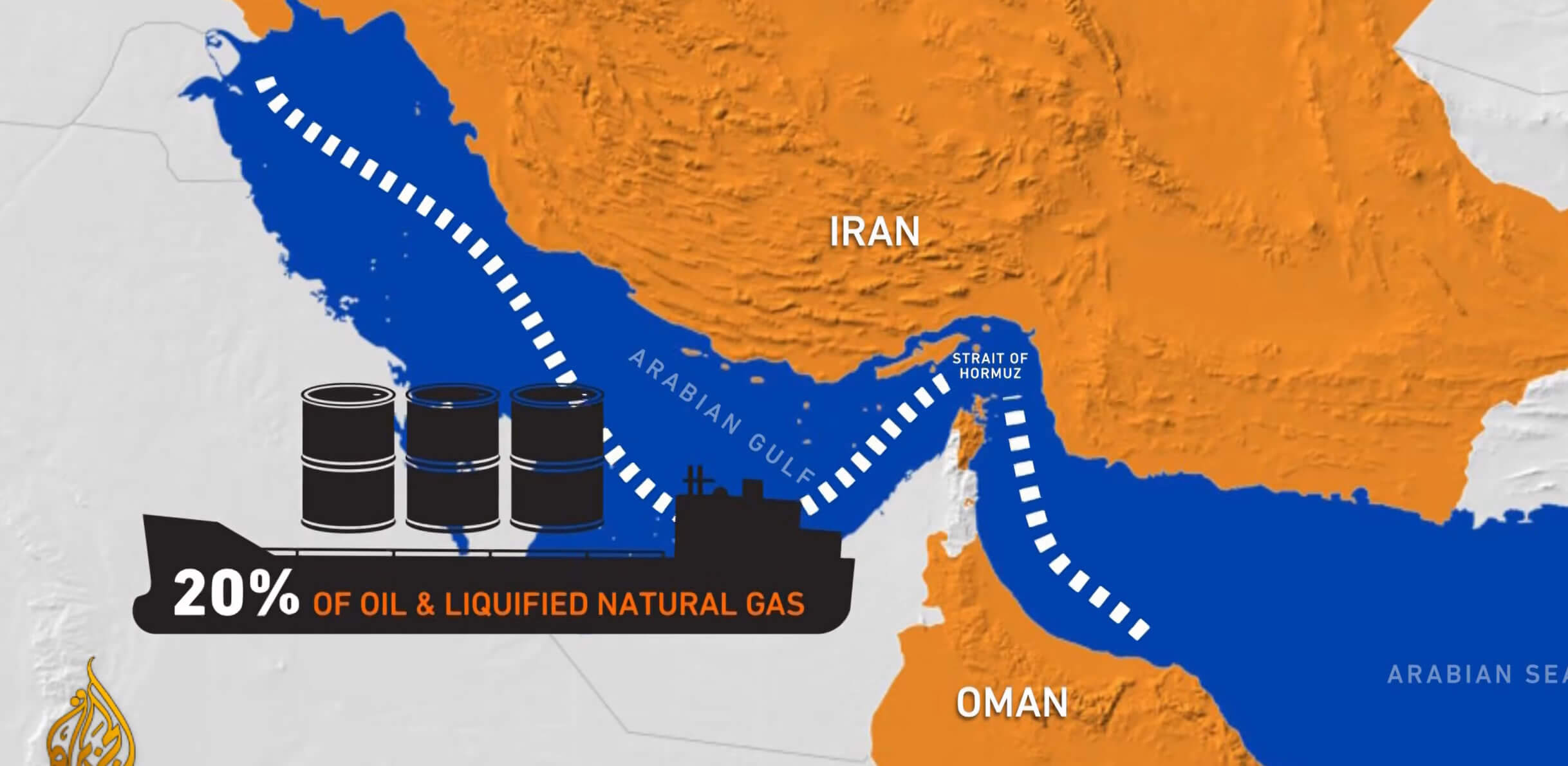
The Strait of Hormuz is one of the most strategically important maritime passages in the world, connecting the Persian Gulf to the Arabian Sea between Iran and Oman. This narrow waterway serves as a critical route for global energy transportation, with roughly 20% of the world’s oil and liquefied natural gas (LNG) passing through it every day. Major energy exporters in the Gulf region rely on this route to deliver oil and gas to international markets, making the strait a vital chokepoint for global trade and energy security. Any disruption to shipping through the Strait of Hormuz could have significant consequences for global energy supplies and the world economy.
Strait of Hormuz and oil route map
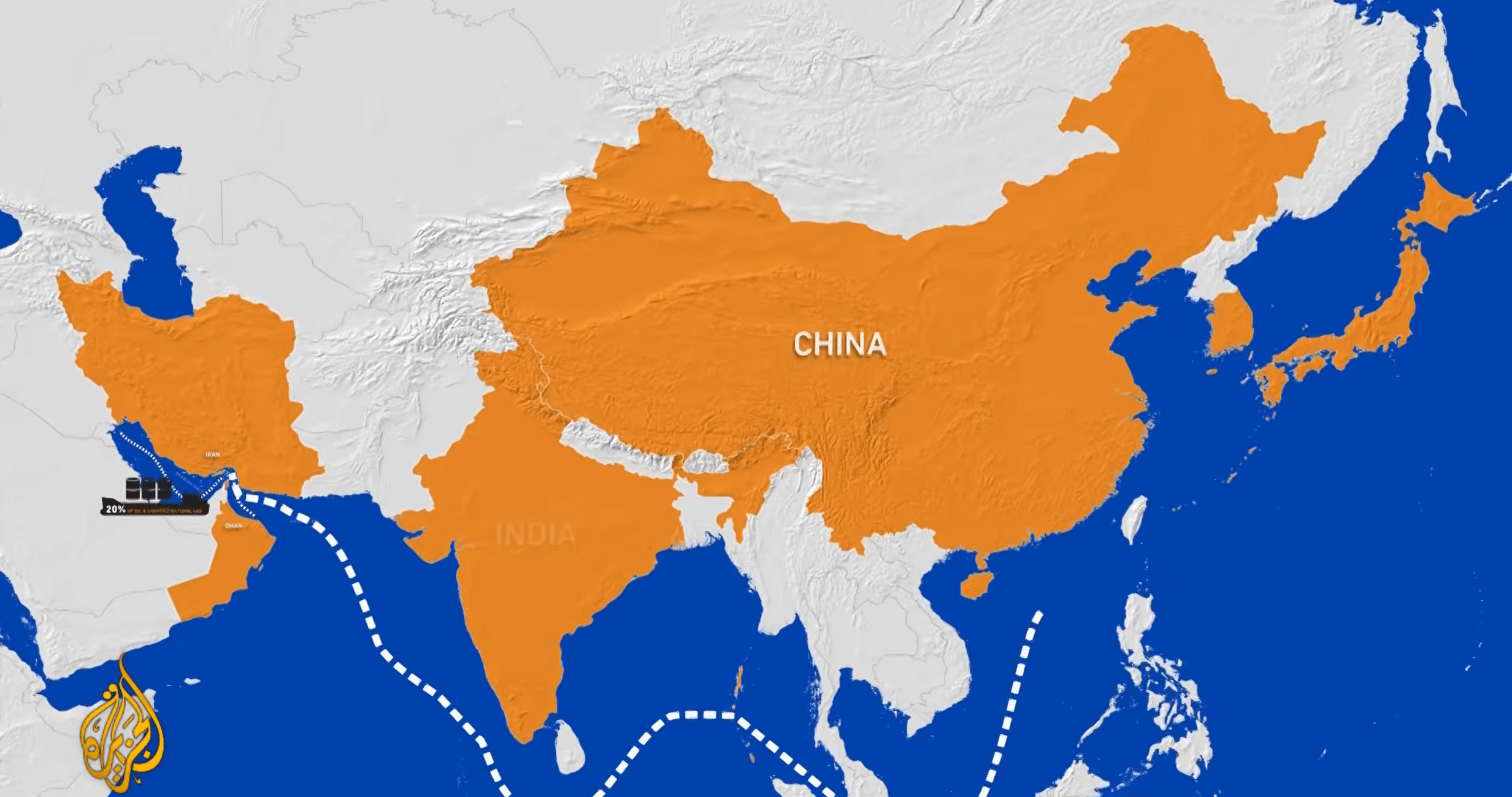
This map illustrates the critical energy shipping routes that connect the Strait of Hormuz with major Asian markets, including China, India, Japan, and other East Asian economies. A significant portion of the oil and liquefied natural gas (LNG) exported from the Persian Gulf travels through this narrow maritime corridor before heading across the Indian Ocean toward Asia, which is the largest destination for Gulf energy supplies. Because many rapidly growing Asian economies depend heavily on imported oil and gas, the Strait of Hormuz plays a crucial role in maintaining global energy stability. Any disruption in this route could have major consequences for energy security, trade flows, and economic stability across Asia and the wider global economy.
Hormuz Strait close and impact of global economy
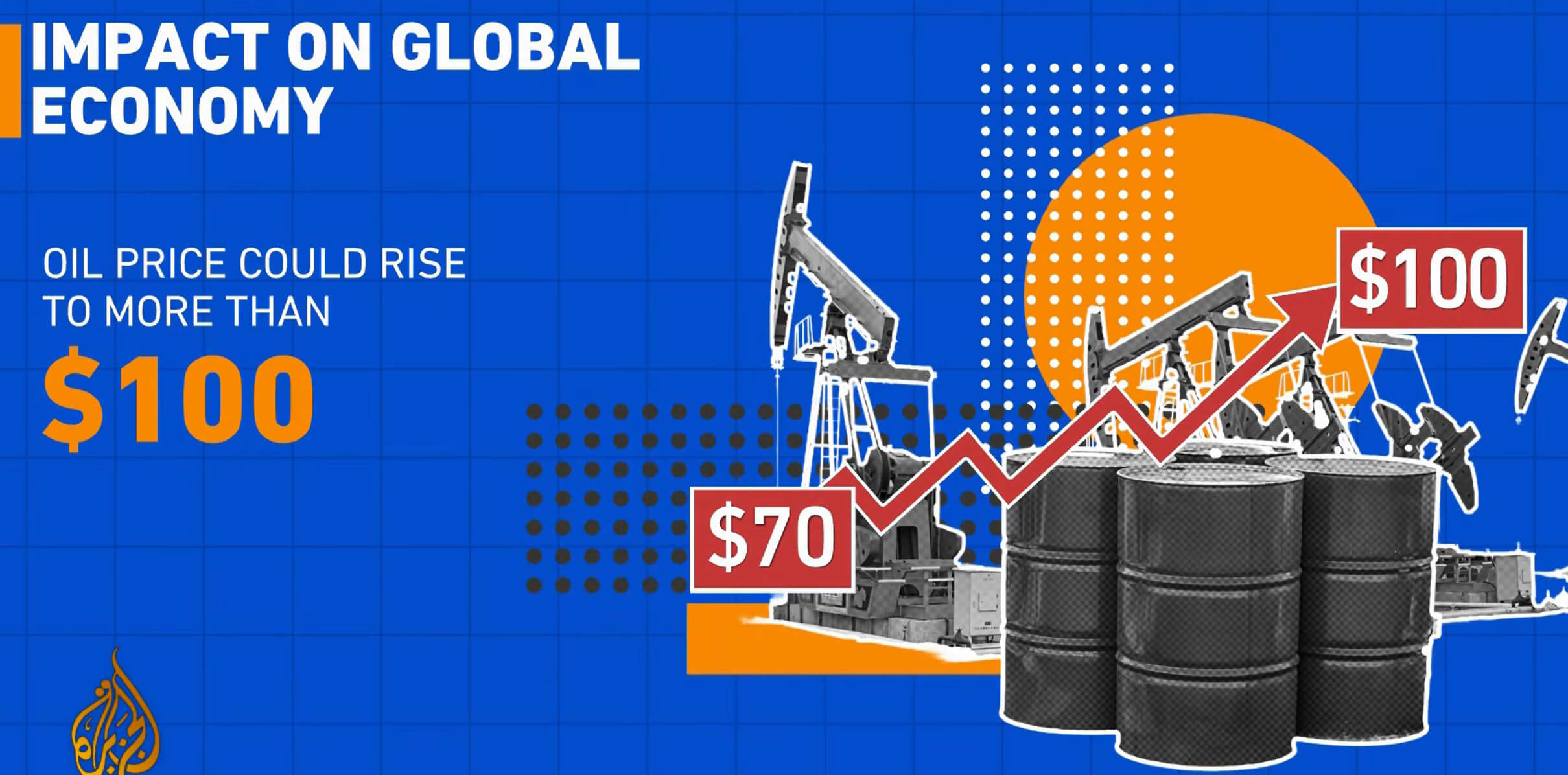
This graphic illustrates how disruptions in global oil supply—such as tensions around the Strait of Hormuz, a key energy transit route—could push oil prices significantly higher. Analysts often warn that if shipments through this critical chokepoint are restricted, the global oil market could experience sharp supply shortages. In such a scenario, crude oil prices could rise from around $70 per barrel to over $100, reflecting increased market uncertainty and reduced supply. Higher oil prices would not only affect energy markets but could also lead to increased transportation, manufacturing, and consumer costs worldwide, placing additional pressure on the global economy.
Hormuz Strait close and oil price rise
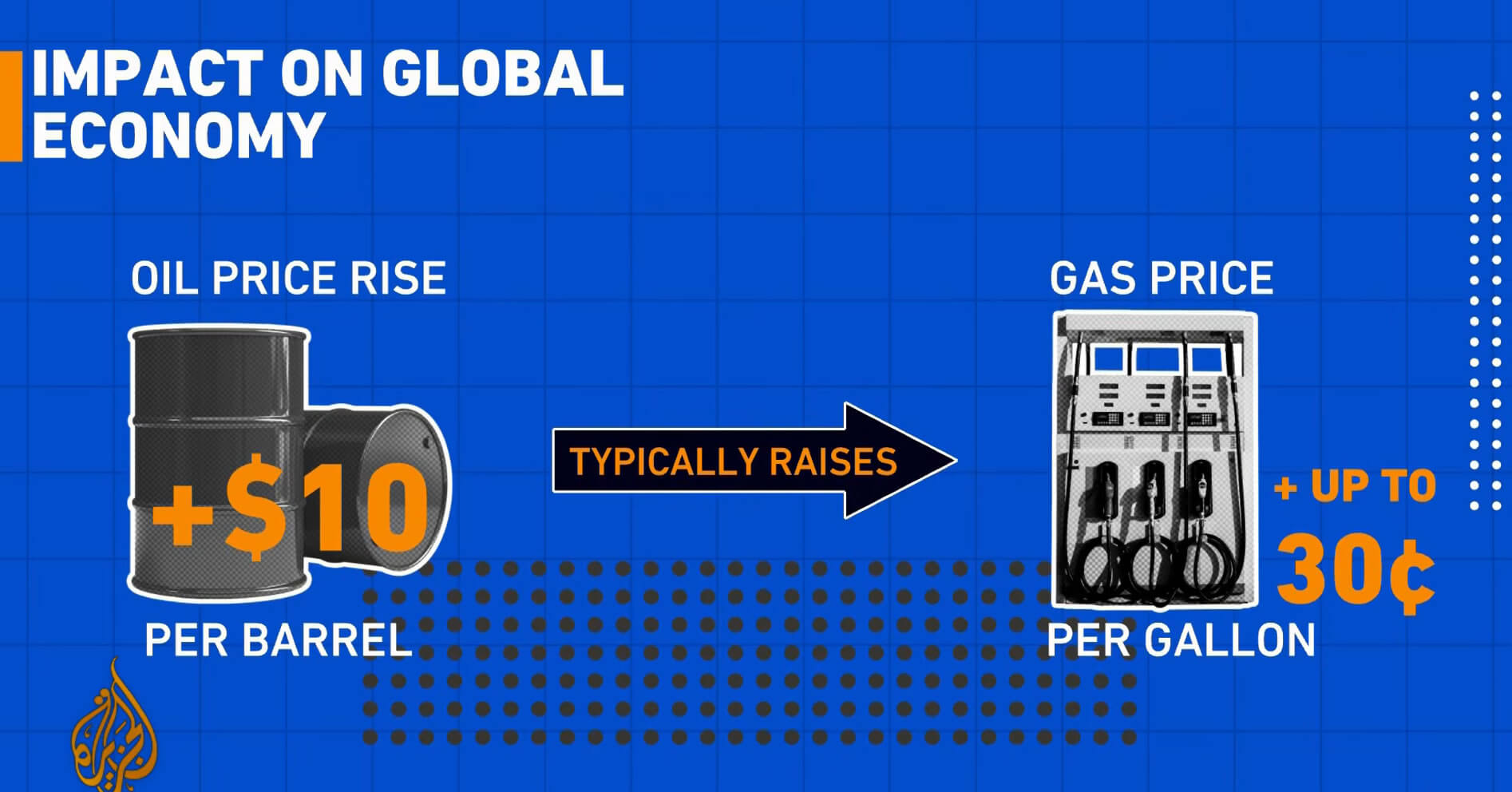
This graphic illustrates how disruptions in global oil supply—such as a potential closure of the Strait of Hormuz—can quickly affect energy prices worldwide. When the price of crude oil increases by around $10 per barrel, it typically leads to a noticeable rise in fuel prices, with gasoline costs increasing by up to 30 cents per gallon. Because oil is a fundamental resource for transportation, manufacturing, and energy production, such price increases can ripple through the global economy, raising costs for businesses and consumers while contributing to broader inflationary pressures.
Hormuz Strait close and impact of global economy inflation
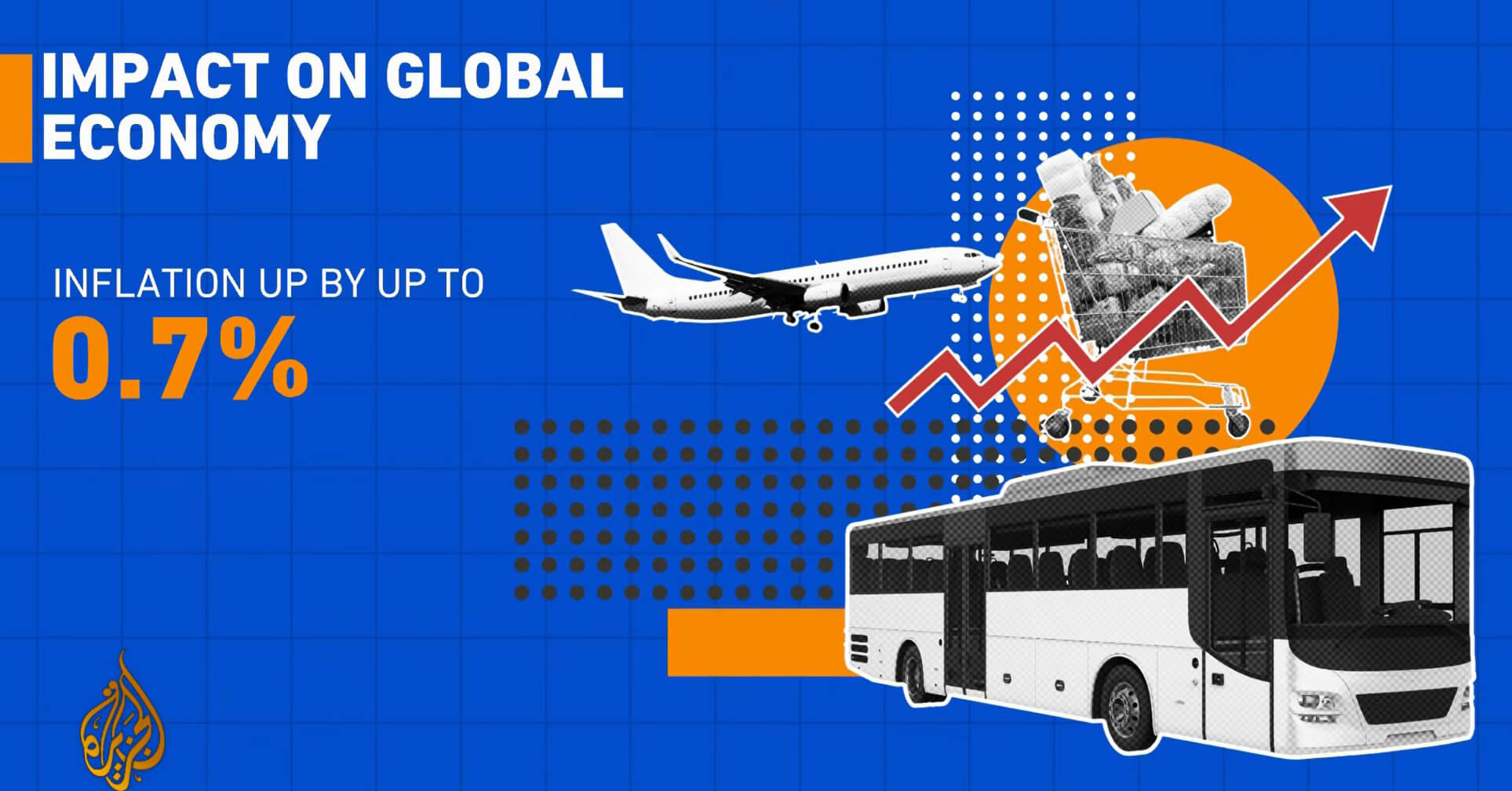
This graphic highlights the potential impact of rising energy costs on the global economy, particularly through increased inflation. When oil and fuel prices rise—often due to supply disruptions in key routes like the Strait of Hormuz—transportation and production costs increase across many industries. Higher fuel expenses affect sectors such as air travel, public transportation, and global shipping, which then pass these costs on to consumers. As a result, overall prices for goods and services may rise, potentially pushing global inflation up by as much as 0.7%, affecting both businesses and households worldwide.
Hormuz Strait close and Middle East to China cost
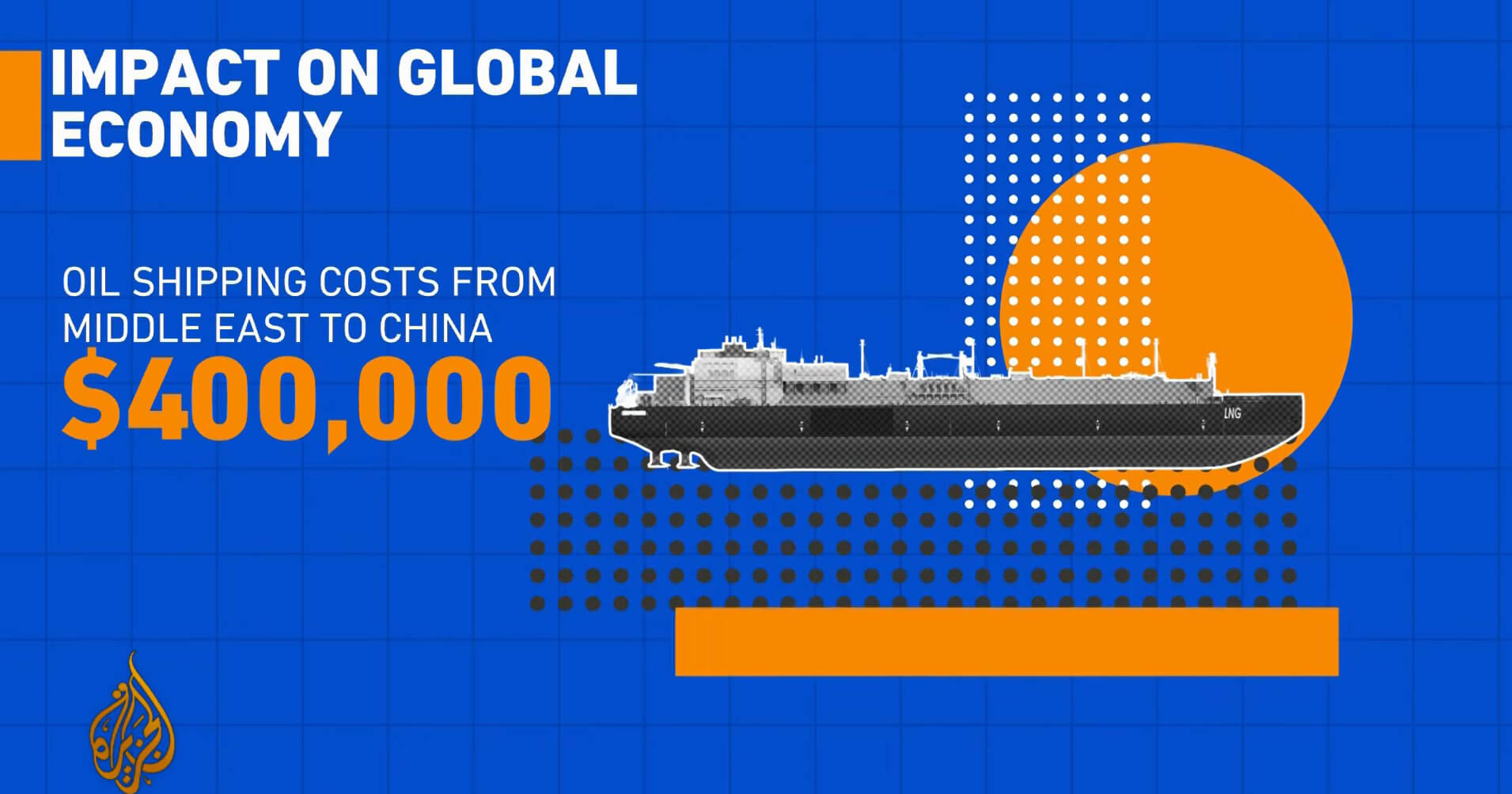
This graphic highlights the significant cost of transporting oil from the Middle East to China, emphasizing the importance of secure maritime routes such as the Strait of Hormuz. Shipping energy resources across long distances already involves substantial expenses, with tanker transport costs reaching around $400,000 per shipment for certain routes. If geopolitical tensions or disruptions occur in critical chokepoints like the Strait of Hormuz, these shipping costs can rise even further due to higher insurance rates, longer routes, and increased security risks. As a result, transportation expenses may ultimately contribute to higher global energy prices and increased pressure on international markets.
Hormuz Strait close and oil shipping cost
This graphic highlights the significant cost of transporting oil from the Middle East to China, one of the largest energy trade routes in the world. Tankers carrying crude oil and liquefied natural gas (LNG) must travel long distances across major maritime corridors, including the Strait of Hormuz, which is a key gateway for global energy exports. Shipping expenses for these routes can reach tens or even hundreds of thousands of dollars per voyage, depending on distance, fuel costs, and security risks. Any disruption in critical chokepoints like the Strait of Hormuz could further increase transportation costs, affecting global energy prices and placing additional pressure on international markets.
Hormuz Strait close interest rates
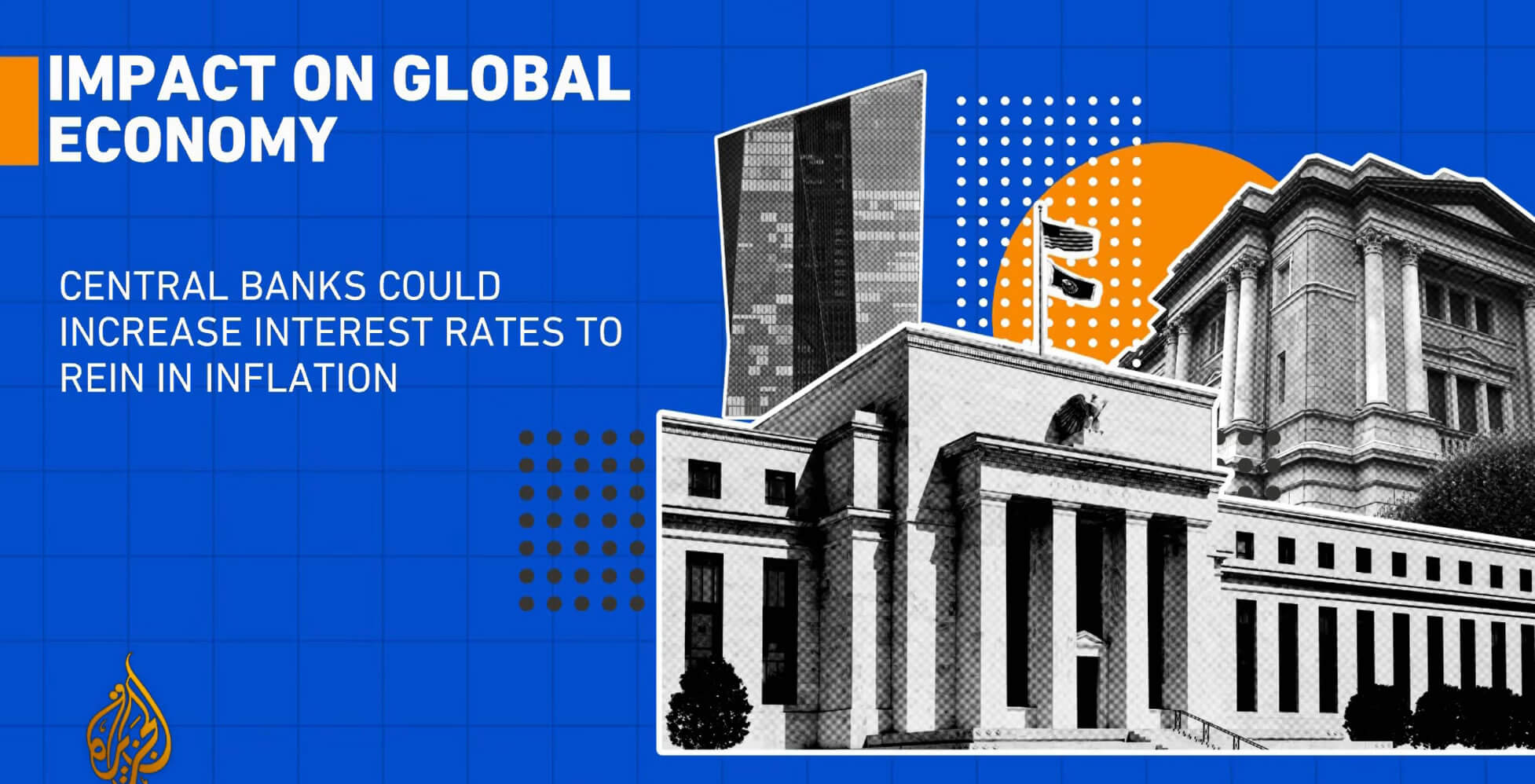
This graphic highlights how rising energy prices and inflation can influence global monetary policy. When oil and transportation costs increase—often due to supply disruptions in critical routes such as the Strait of Hormuz—inflationary pressure can spread across the global economy. In response, central banks may raise interest rates to control inflation and stabilize prices. Higher interest rates can help slow demand and reduce inflation, but they may also make borrowing more expensive for businesses and consumers, potentially slowing economic growth and affecting financial markets worldwide.
Where is Strait of Hormuz on the Persian Gulf Map?
Show Google map, satellite map, where is the country located.
Get directions by driving, walking, bicycling, public transportation and travel with street view.
Feel free to explore these pages as well:
- Strait of Hormuz Map ↗️
- Where is Strait of Hormuz ↗️
- Where Oil and LNG (Gas) from the Strait of Hormuz Go ↗️
- Strait of Hormuz Crisis ↗️
- Strait of Hormuz – GLOBAL CRISIS 2026 ↗️
- Iran Map ↗️
- Iran High-resolution Map ↗️
- Where is Iran ↗️
- Iran Political Map ↗️
- Iran Physical Map ↗️
- Iran Population Map ↗️
- Iran Ethnic-groups Map ↗️
- Iran Cities Map ↗️
- Iran Regions Map ↗️
- Iran Blank Map ↗️
- Tehran Map ↗️
- US and Israeli strikes on Iran in maps ↗️
- Iraq ↗️
- Israel High-resolution Map ↗️
- Iran Historical Map ↗️
- Iraq High-resolution Map ↗️
- Iran Time-zone Map ↗️
- Iran Israel War Map – Location Strikes Map in Iran and Israel ↗️
- Syria Map ↗️
- Israel Map ↗️
- Saudi Arabia Map ↗️
- Where is Located Qatar in the World? ↗️
- United States Map ↗️
- Türkiye Map ↗️
- Europe Map ↗️
- Asia Map ↗️

