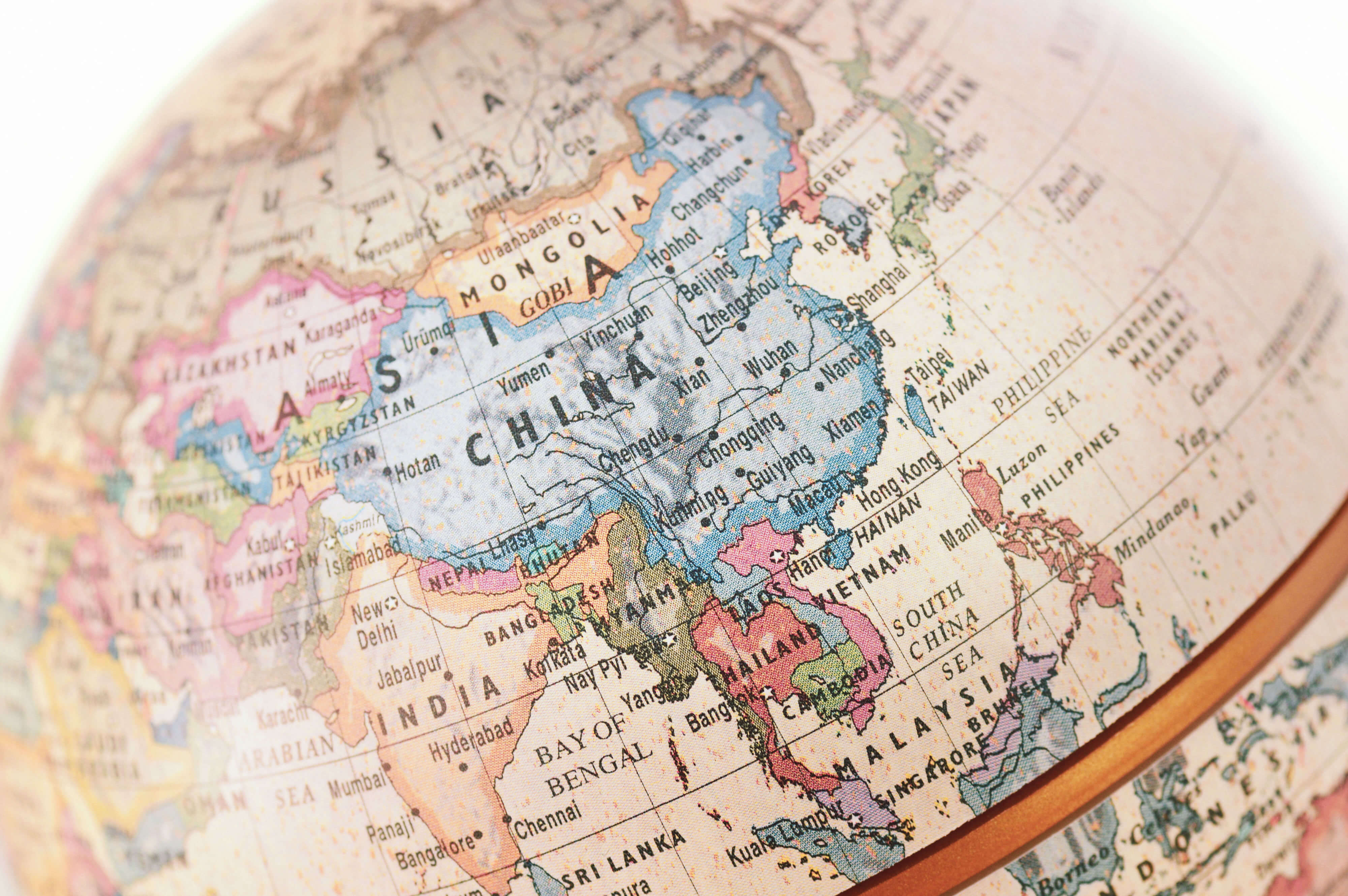
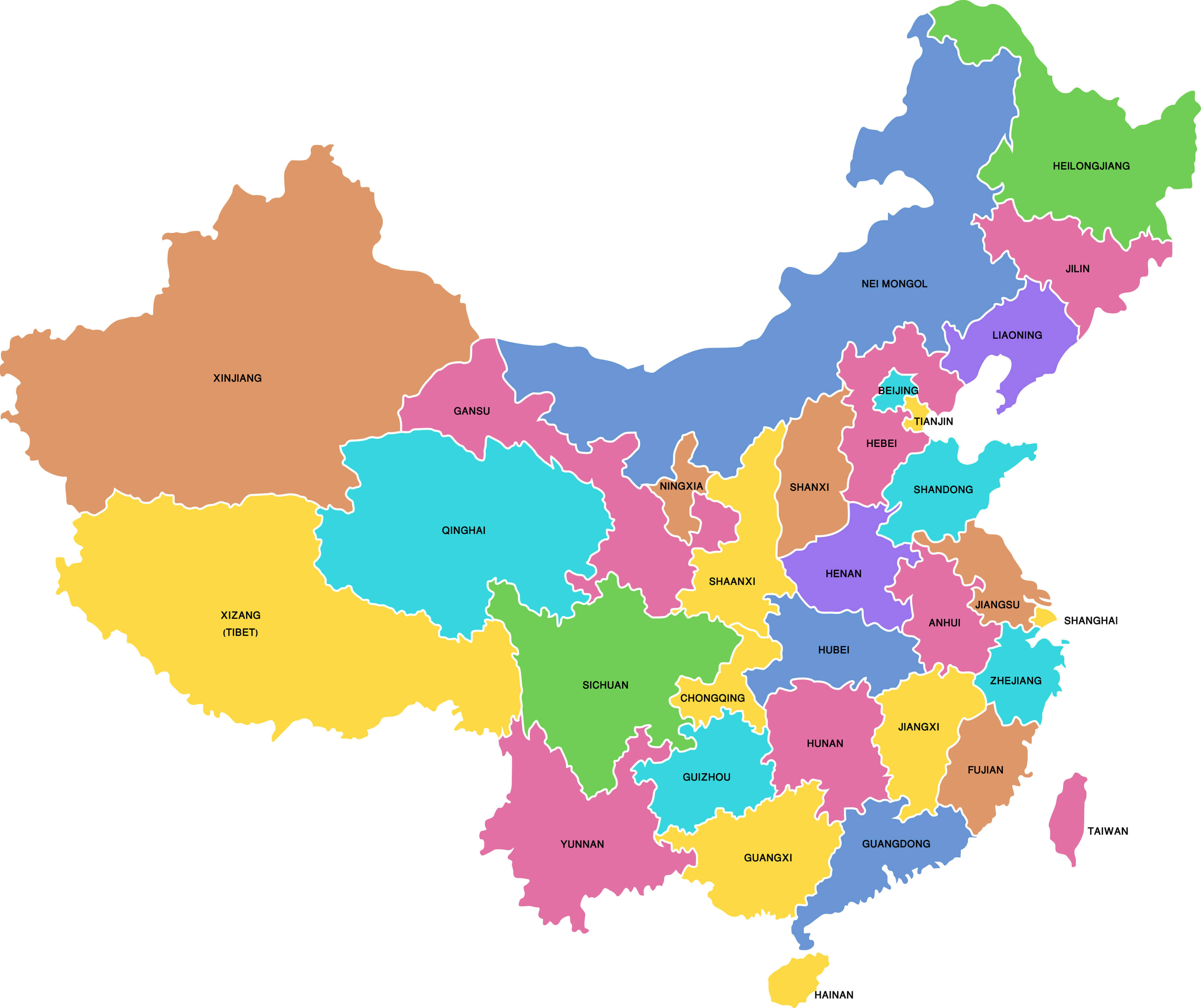
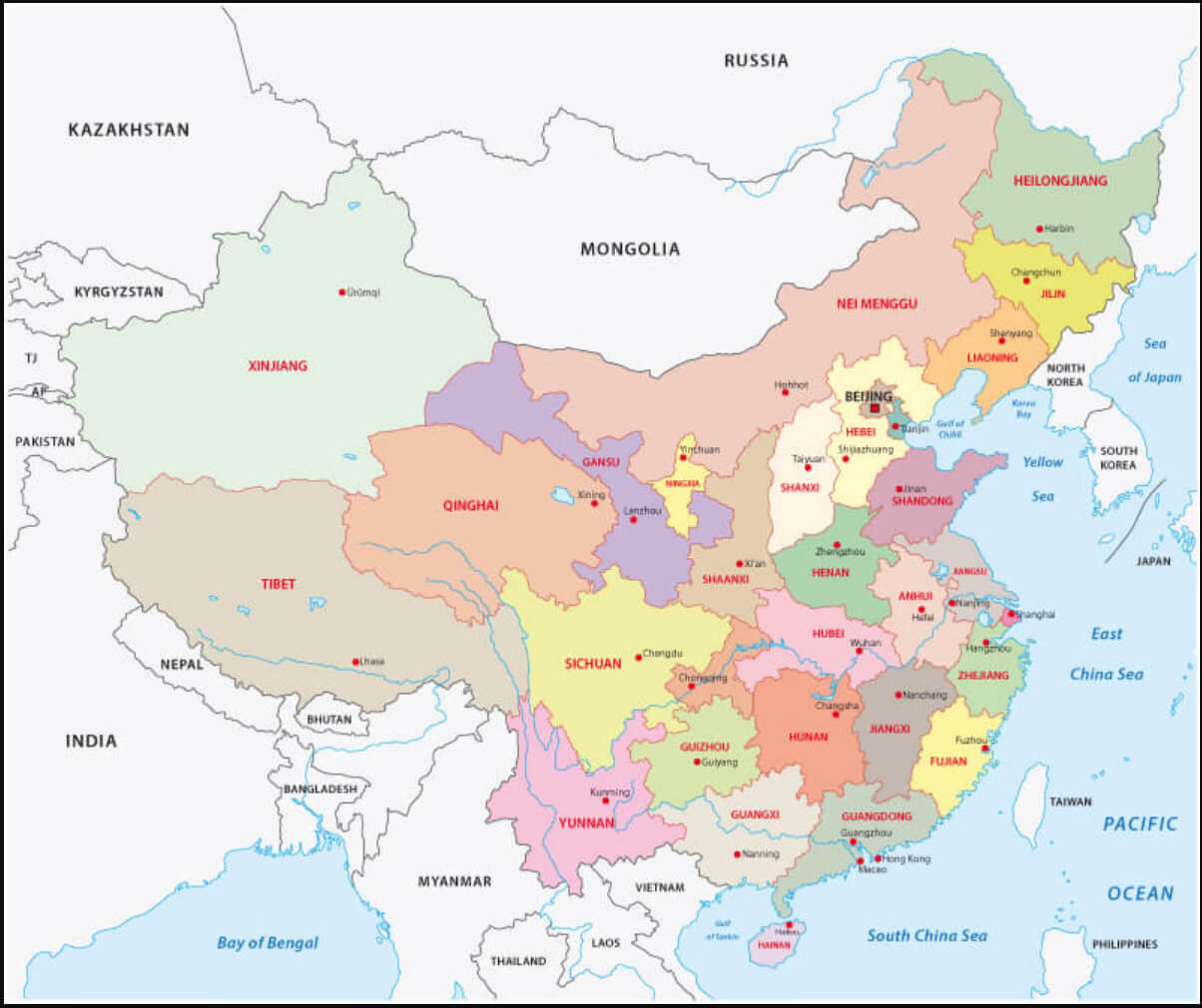
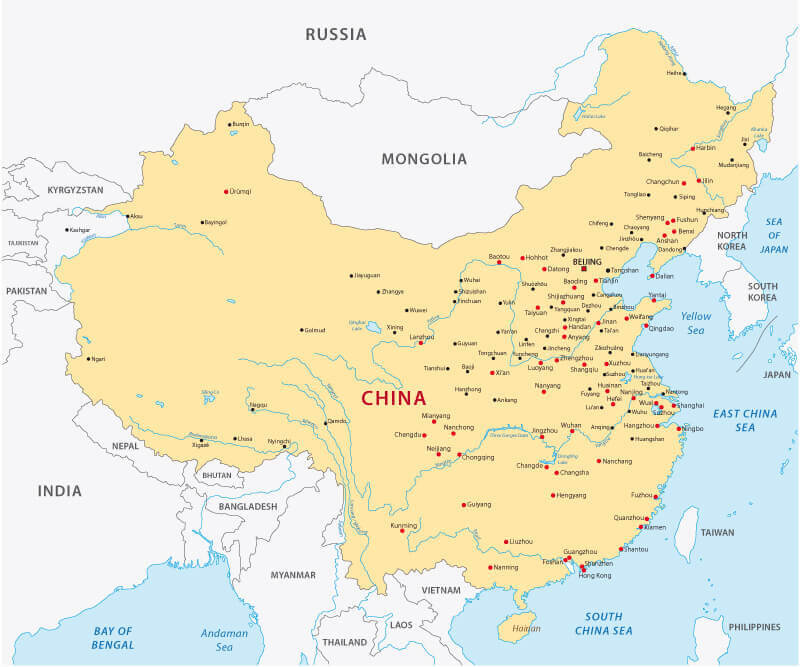
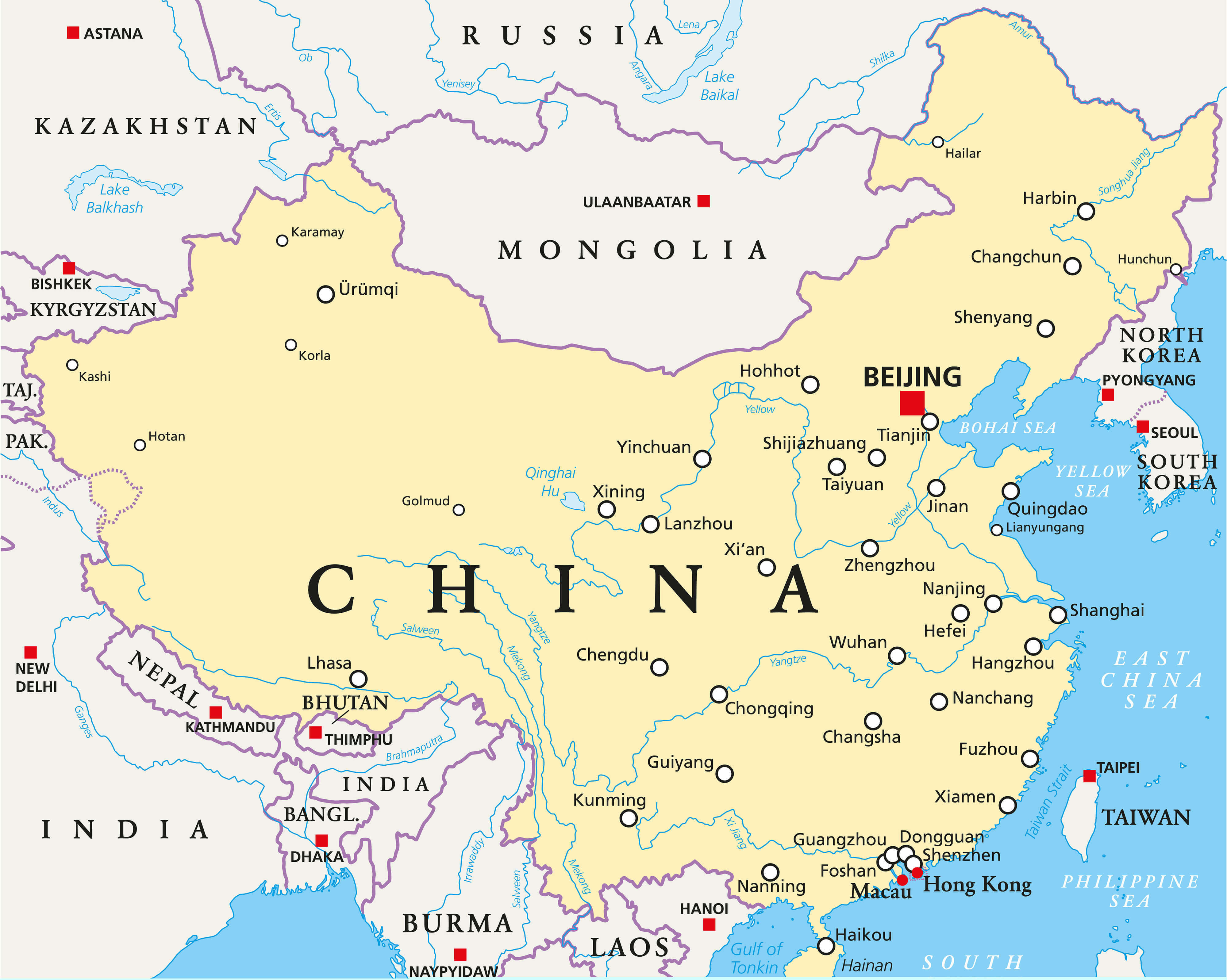
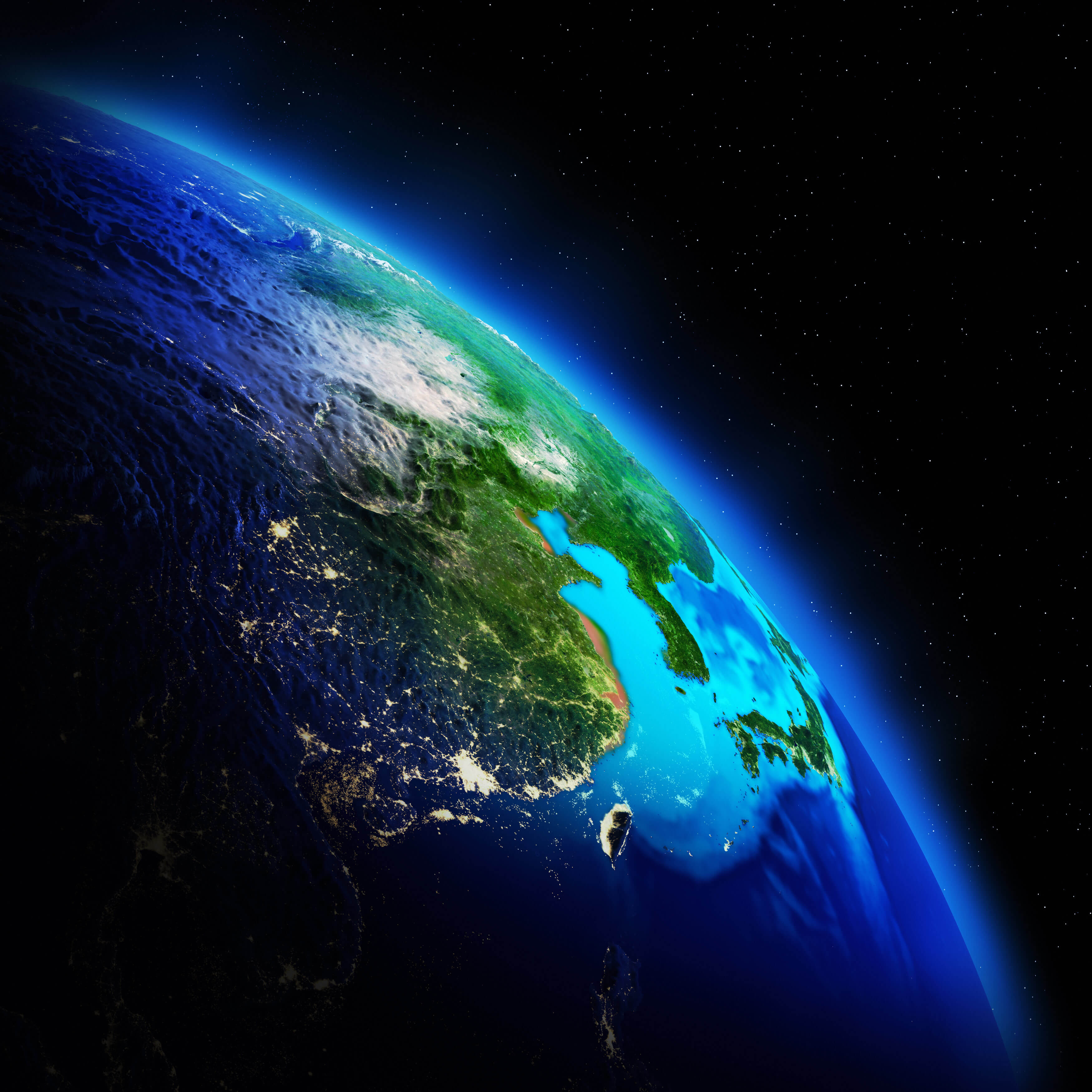
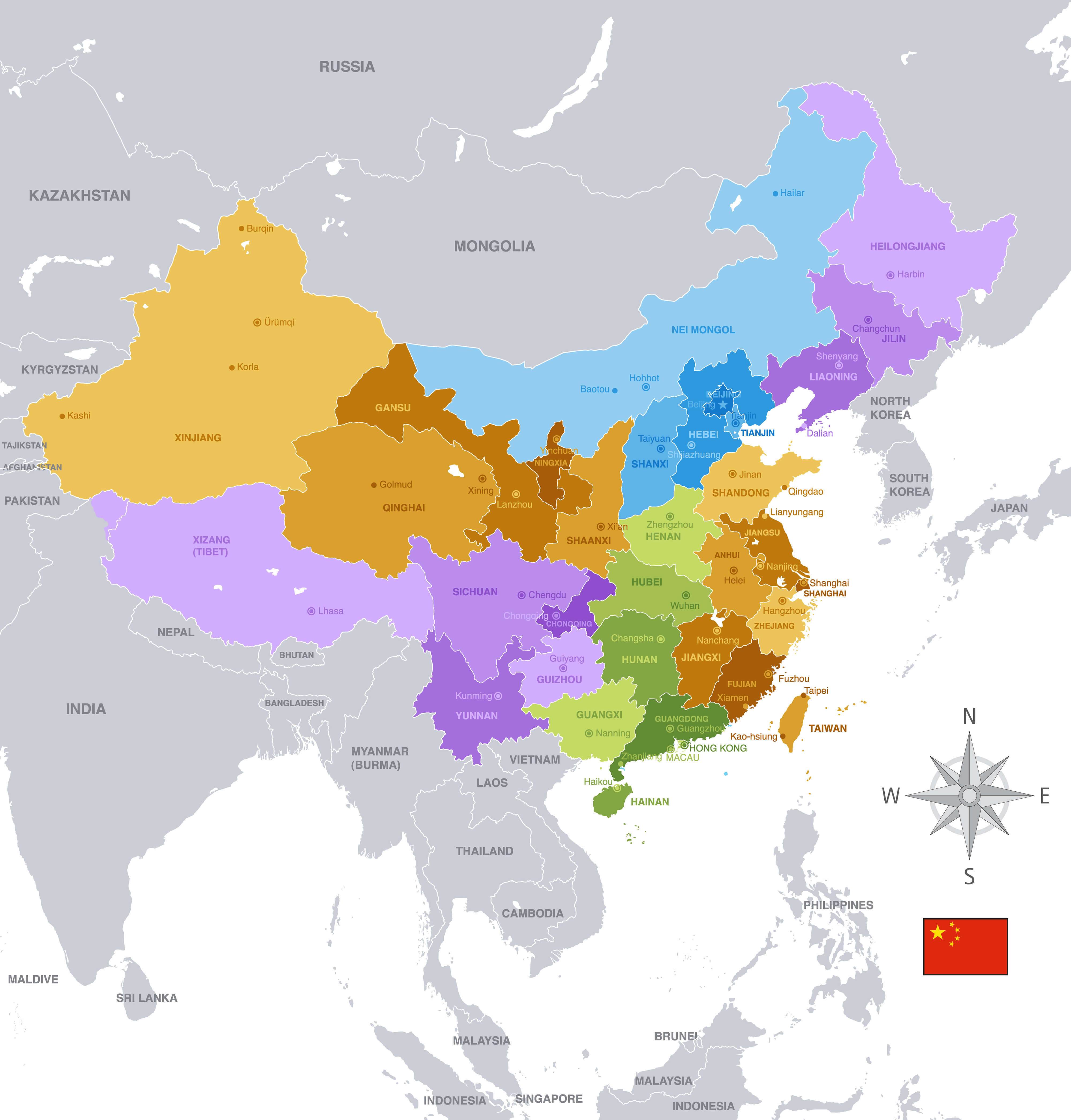
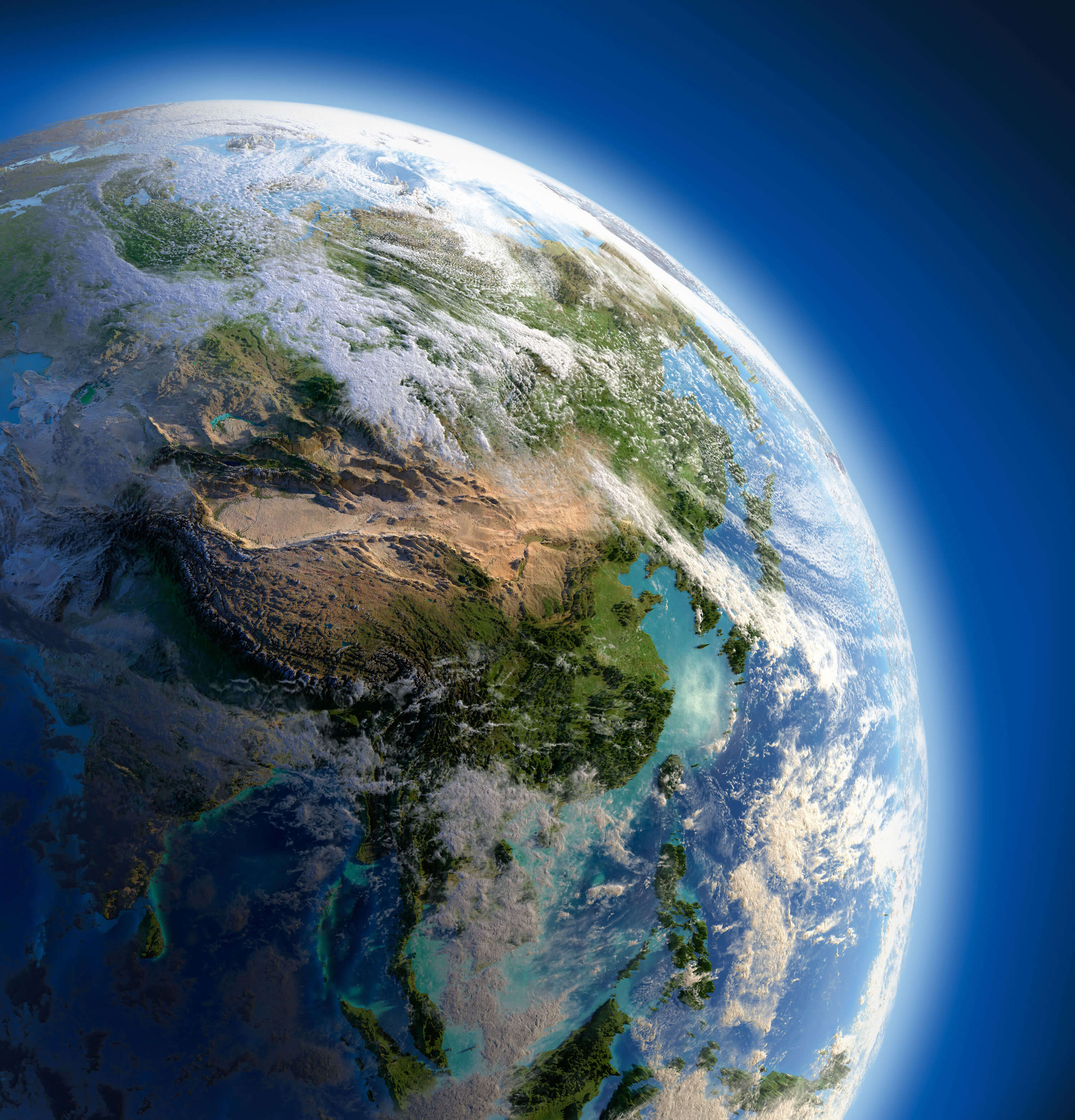
China, officially the People’s Republic of China (PRC), is a vast country in East Asia and the world’s third-largest by total area, covering approximately 9.6 million square kilometers. Home to more than 1.4 billion people, China has Beijing as its capital and Shanghai as its largest city by urban population. Its remarkably diverse geography includes the Himalayas and Tibetan Plateau, Gobi and Taklamakan deserts, fertile eastern plains, extensive forests, and major rivers such as the Yangtze and Yellow River, making China one of the world’s most geographically and culturally significant countries.
China Key Facts
| Official Name | People’s Republic of China |
|---|---|
| Flag & Location | National flag of China Location of China in East Asia |
| Geography | |
| Capital | Beijing Approximately 39.9° N, 116.4° E |
| Largest City | Shanghai — largest city by urban population |
| Region | East Asia |
| Total Area | 9,596,961 km² Approximately 3,705,407 sq mi |
| Water | Approximately 2.8% of total area |
| Land Borders | 14 countries One of the highest numbers of land borders of any country. |
| Population & Society | |
| Population | 1,404,890,000 2025 estimate; 2nd largest population in the world |
| Population Density | Approximately 146 people per km² |
| Official Language | Standard Chinese (Mandarin) |
| Writing System | Simplified Chinese in mainland China Traditional Chinese is widely used in Hong Kong and Macau. |
| Major Ethnic Groups | Han Chinese: approximately 91.1% Other recognized ethnic groups: approximately 8.9% |
| Major Cities | Shanghai Beijing Chongqing Guangzhou Shenzhen Chengdu Tianjin Wuhan Nanjing Xi’an |
| Economy | |
| GDP (Nominal) | $20.852 trillion 2026 estimate — 2nd in the world |
| GDP per Capita | $14,874 Nominal, 2026 estimate |
| GDP (PPP) | $44.295 trillion 2026 estimate — 1st in the world |
| GDP per Capita (PPP) | $31,596 2026 estimate |
| Currency | Renminbi (yuan) — CNY |
| Gini Index | 36.0 2022 |
| Human Development Index | 0.797 — High 2023 HDI value |
| Codes & Communications | |
| Time Zone | China Standard Time (UTC+8) |
| Calling Code | +86 — Mainland China +852 — Hong Kong +853 — Macau |
| ISO 3166 Code | CN |
| Internet TLD | .cn — Mainland China .hk — Hong Kong .mo — Macau |
Geography of China
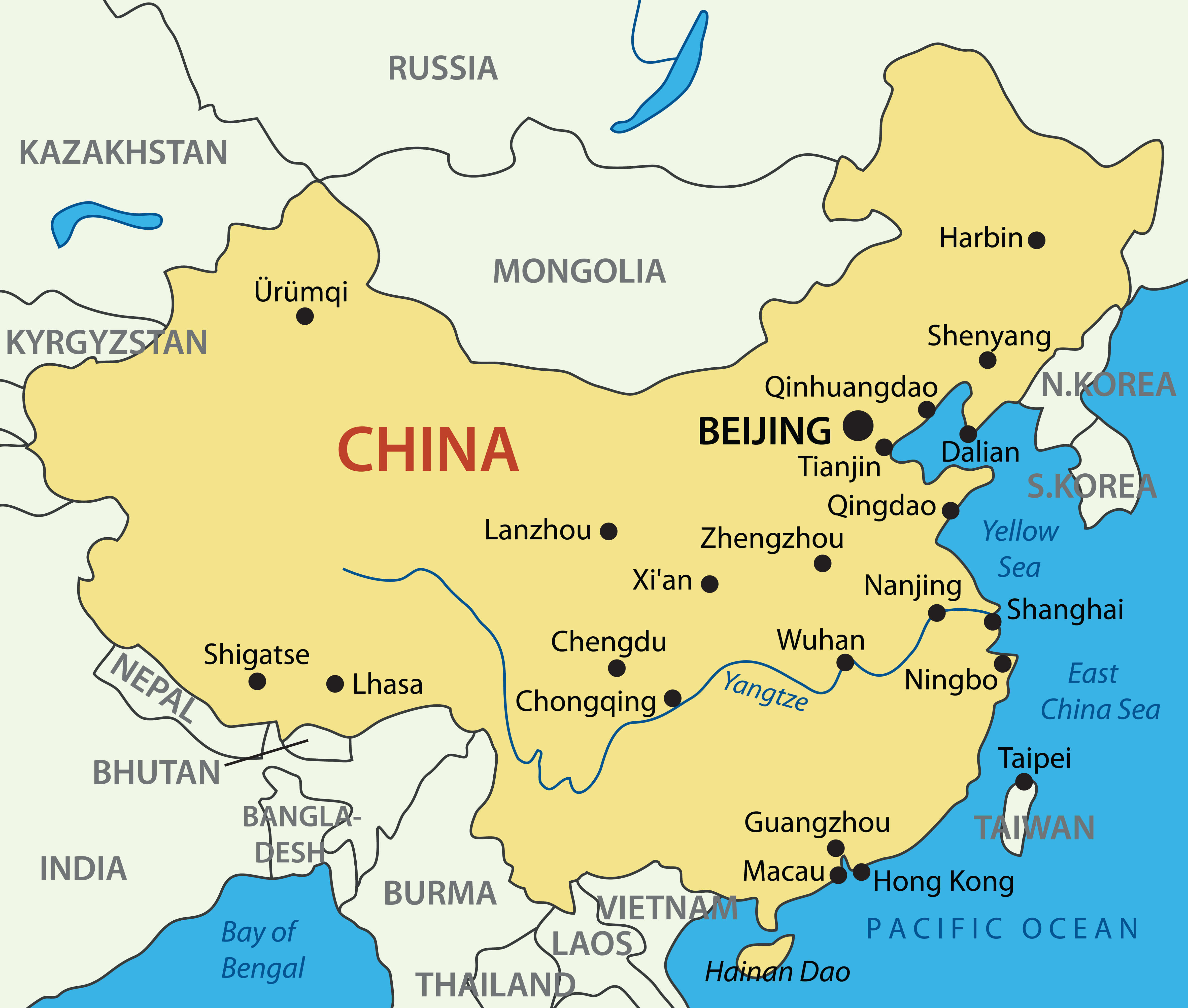
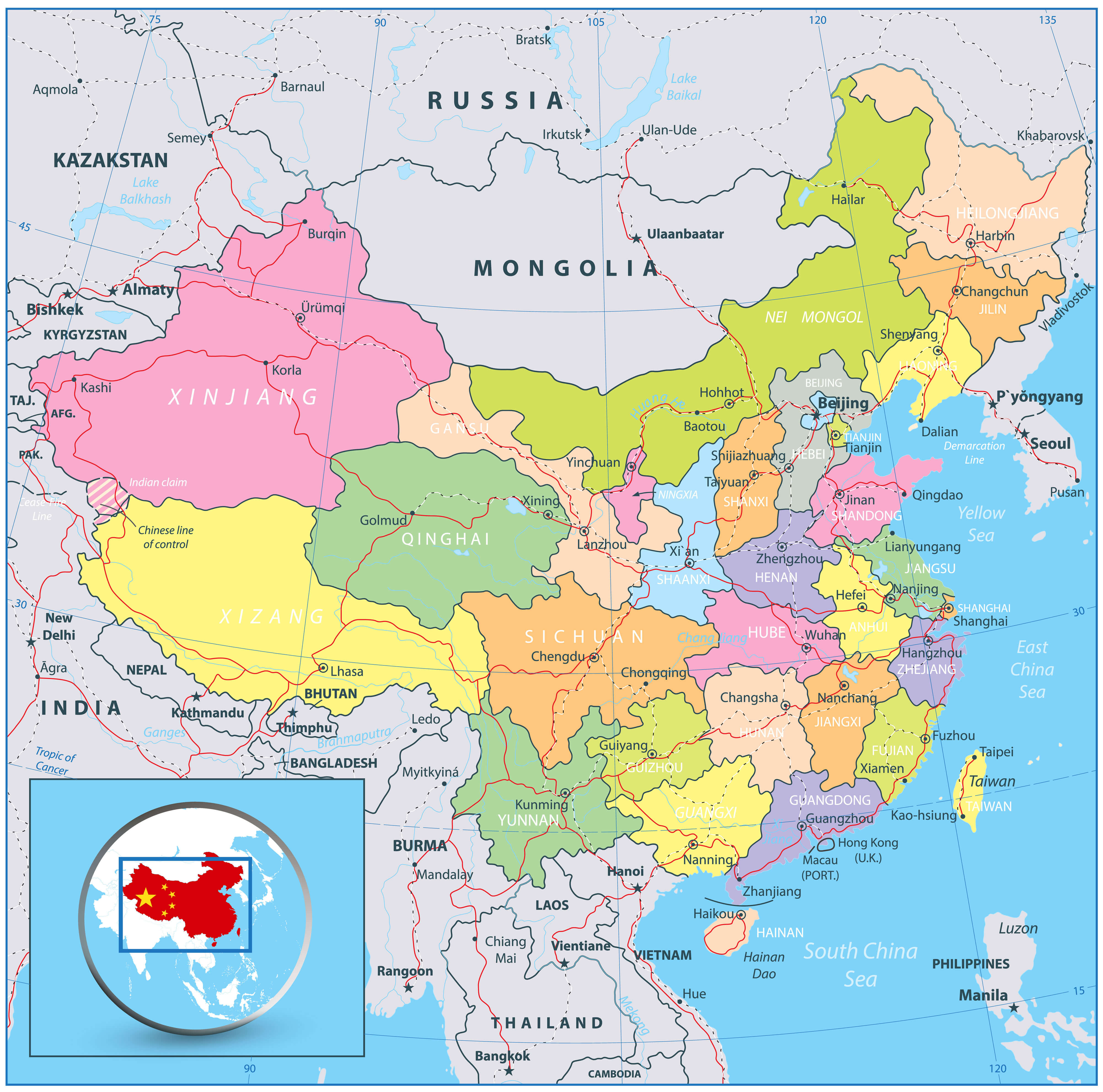
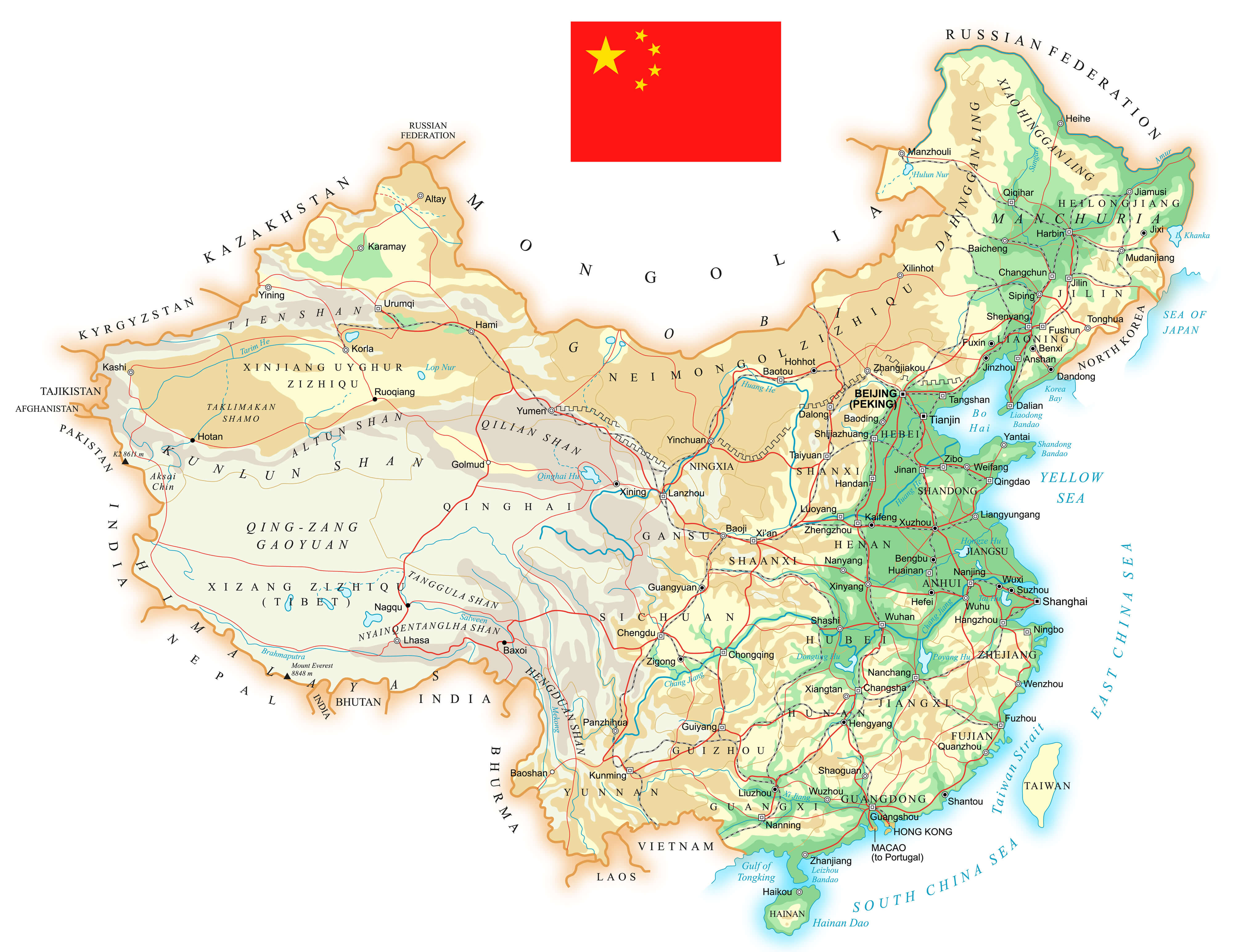
China is the largest country in East Asia and one of the world’s most geographically diverse nations, covering approximately 9.6 million square kilometers. The geography of China stretches from the high mountains and plateaus of the west to fertile plains and densely populated coastal regions in the east. China shares land borders with 14 countries and has an extensive coastline along the Yellow Sea, East China Sea and South China Sea.
China’s landscape includes some of Asia’s most remarkable physical features. The Tibetan Plateau, often called the “Roof of the World,” dominates southwestern China, while the Himalayas form part of the country’s southern frontier and include Mount Everest along the China–Nepal border. Other major geographic features include the Gobi Desert, Taklamakan Desert, North China Plain, Sichuan Basin, and extensive mountain ranges. The Yangtze and Yellow rivers, two of China’s most important waterways, flow eastward across the country and have played a central role in Chinese settlement, agriculture and economic development.
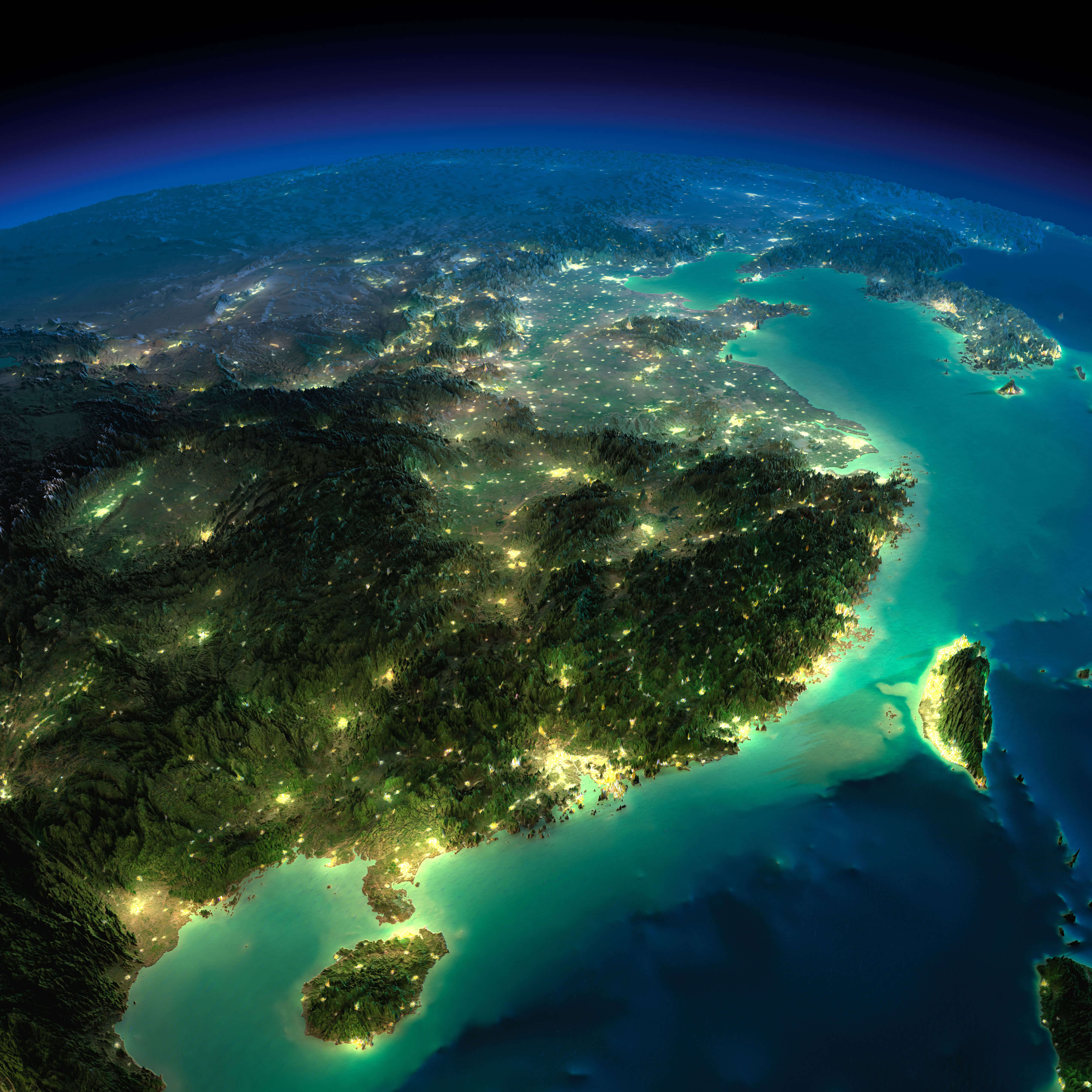
China’s enormous size creates significant variations in climate, vegetation and natural environments. Western and northern China contain vast mountains, deserts, grasslands and sparsely populated areas, while eastern China has broad river valleys, plains and coastal regions where much of the population and many major cities are concentrated. From the cold northeast and arid northwest to the subtropical and tropical landscapes of southern China, the country’s varied terrain makes the geography of China one of the most diverse in the world.
History of China
The History of China spans thousands of years, making it one of the world’s oldest continuous civilizations. Early Chinese civilization developed around major river systems, especially the Yellow River, where agriculture, settlements and political institutions gradually emerged. Traditional Chinese historiography begins with the Xia dynasty, followed by the Shang dynasty, which left important archaeological evidence including bronze objects and early writing. The Zhou dynasty later became China’s longest-ruling dynasty and was associated with influential philosophical traditions, including Confucianism and Daoism, that profoundly shaped Chinese society, government and culture.
History of China timeline
A decisive turning point came with the Qin dynasty (221–206 BCE), when Qin Shi Huang unified competing states and established China’s first centralized imperial dynasty. His government standardized systems of writing, weights, measures and administration while connecting and expanding defensive walls that contributed to the development of the Great Wall. The succeeding Han dynasty (206 BCE–220 CE) consolidated imperial China, expanded its territory and strengthened trade routes that became part of the Silk Road. The Han era also witnessed major developments in government, scholarship, technology and commerce before political fragmentation eventually led to the Three Kingdoms period.
China was reunified under the Sui dynasty (581–618), which is particularly associated with the expansion of the Grand Canal and the restoration of centralized government. It was followed by the Tang dynasty (618–907), often regarded as one of the great periods of Chinese cultural, economic and political influence, when international trade, literature and the arts flourished. During the Song dynasty (960–1279), China experienced significant technological and commercial development, including advances connected with printing, gunpowder, navigation and manufacturing. The Yuan dynasty (1271–1368) was founded by Kublai Khan and incorporated China into the wider Mongol Empire, increasing connections between East Asia and other parts of Eurasia.
Beijing, China
The Ming dynasty (1368–1644) restored rule by a native Chinese dynasty and became known for economic growth, monumental architecture, maritime expeditions and the strengthening of sections of the Great Wall. During the early 15th century, the voyages of Zheng He demonstrated China’s extensive maritime connections across Southeast Asia and the Indian Ocean. The Qing dynasty (1644–1912), established by the Manchus, became China’s final imperial dynasty and expanded the empire substantially. By the 19th and early 20th centuries, however, internal rebellions, foreign intervention, military defeats and political instability weakened Qing rule, culminating in the 1911 Revolution and the establishment of the Republic of China in 1912.
The modern history of China was shaped by revolution, civil conflict, Japanese invasion and profound political and social transformation. After decades of upheaval, the People’s Republic of China was established in 1949 under the leadership of the Chinese Communist Party, while the Republic of China government relocated to Taiwan. Since the late 1970s, economic reforms and rapid industrialization have transformed mainland China into a major global economic and geopolitical power. Across its long history, China has also made influential contributions to world civilization, including papermaking, printing, gunpowder, the compass, porcelain and silk, while its philosophy, art, architecture, literature and scientific traditions continue to influence global culture today.
Politics of China
The politics of China are organized under a socialist state system in which the Communist Party of China (CPC) holds the central leadership role. As of 2026, Xi Jinping serves as General Secretary of the CPC, President of the People’s Republic of China and Chairman of the Central Military Commission, concentrating the country’s most important Party, state and military leadership positions in one person. China’s political structure combines CPC institutions with state bodies including the National People’s Congress (NPC), the State Council, the National Supervisory Commission, courts and local governments. The NPC is formally China’s highest organ of state power and exercises national legislative authority together with its Standing Committee.
Politics of China
China’s central government is administered through the State Council, the country’s highest state administrative organ, currently headed by Premier Li Qiang. The State Council oversees ministries and implements national economic, social and administrative policies, while major strategic direction is set within the broader framework of CPC leadership. The political system also includes the Chinese People’s Political Consultative Conference (CPPCC), which provides a formal mechanism for political consultation. In 2026, the National People’s Congress began the 15th Five-Year Plan (2026–2030) period, placing policy emphasis on technological innovation, economic resilience, a unified national market, infrastructure, social development and continued modernization.
The current political landscape of China is characterized by strong centralized Party leadership and a long-term policy agenda focused on national development, technological self-reliance, economic modernization, social stability and national security. Xi Jinping Thought remains an important ideological framework for Party and state governance, while the CPC continues campaigns emphasizing Party discipline, anti-corruption and internal governance. Internationally, China’s political priorities are closely connected with its position as a major global power, making its domestic governance, economic strategy, foreign policy and relations with other major economies increasingly influential in Asian and global affairs.
Demographics of China
The demographics of China reflect a population of roughly 1.4 billion people, making China the world’s second-most populous country after India. According to China’s National Bureau of Statistics, the year-end population stood at 1.40489 billion in 2025, down by 3.39 million from 2024. During the year, China recorded 7.92 million births and 11.31 million deaths, producing a natural population growth rate of -2.41 per thousand. This continuing population decline marks a major demographic shift for a country that experienced rapid population growth during much of the 20th century.

China’s population is also becoming older and increasingly urbanized. At the end of 2025, about 23.0% of the population was aged 60 or older, while people aged 65 and above accounted for approximately 15.9%. Meanwhile, the share of people living in urban areas reached 67.9%, with around 954 million urban residents compared with 451 million rural residents. Major metropolitan areas such as Shanghai, Beijing, Chongqing, Guangzhou and Shenzhen form part of China’s extensive urban network, while population density remains much greater across the eastern plains and coastal provinces than across the mountainous, plateau and desert regions of western China.
The population of China is ethnically and culturally diverse, although Han Chinese constitute the large majority alongside numerous officially recognized minority ethnic groups. Standard Chinese is the official national language, while many regional languages and varieties are spoken throughout the country. China’s changing age structure, low birth levels and shrinking population are increasingly important demographic challenges, while longer lives and continued urbanization are reshaping society: official statistics report that life expectancy reached 79.25 years in 2025. Together, population aging, urban migration and a declining natural growth rate are likely to remain defining features of China’s demographic outlook in the coming decades.
Economy of China
The economy of China remains one of the largest and most influential economies in the world, supported by a vast domestic market, an extensive manufacturing base, global trade and rapidly developing technology industries. China’s GDP reached 140.19 trillion yuan in 2025, with the economy expanding by 5.0% in real terms. Growth continued in 2026, although at a more moderate pace: official data show that GDP increased 4.7% year-on-year in the first half of 2026, after 5.0% growth in the first quarter and 4.3% in the second quarter.
China economy at a glance
China has a diversified economic structure in which services and industry account for the majority of economic output. In 2025, the primary sector represented 6.7% of GDP, the secondary sector 35.6%, and the tertiary or services sector 57.7%. Services expanded by 5.4% during the year, while industrial value added increased by 5.8% and manufacturing grew by 6.1%. Information transmission, software and information technology services were particularly dynamic, expanding by 11.1%, illustrating the growing importance of digital technology and advanced services to China’s economy.
Manufacturing is a central pillar of China’s economy and international competitiveness. The country has extensive production capacity across electronics, machinery, automobiles, steel, chemicals, textiles, telecommunications equipment and consumer goods, while high-technology manufacturing, electric vehicles, batteries, renewable-energy equipment and other advanced industries have become increasingly important. China is also rapidly expanding its energy infrastructure: by the end of 2025, installed wind-power capacity had increased by 22.9% year-on-year and solar capacity by 35.4%, highlighting the scale of investment in renewable energy alongside the country’s established industrial base.
Economy of China
International trade remains another defining feature of the Chinese economy. China is deeply integrated into global supply chains and maintains extensive commercial relationships across Asia, Europe, North America and other regions. At the same time, the economy is increasingly supported by domestic consumption and services: final consumption expenditure contributed 2.6 percentage points to GDP growth in 2025, while net exports of goods and services contributed 1.6 percentage points. China’s services trade also continued to expand, with total services imports and exports reaching 8.08 trillion yuan in 2025, an increase of 7.4% from the previous year.
The China economic outlook for 2026 combines continued growth with important structural challenges and opportunities. During the first half of 2026, services grew by 5.2%, industry by 5.4% and manufacturing by 5.5%, while construction contracted by 4.0%, demonstrating differences across sectors. Longer-term economic development is increasingly focused on technological innovation, advanced manufacturing, digital services, renewable energy and higher-quality growth. With its enormous consumer market, industrial capacity, infrastructure and role in international trade, China continues to be a major force shaping the Asian and global economy.
Culture of China
The culture of China is one of the world’s oldest and most diverse cultural traditions, shaped by thousands of years of history, regional identities and philosophical influences. Chinese cultural heritage is expressed through traditional painting, calligraphy, ceramics, jade carving, paper cutting and architecture, while landmarks such as the Great Wall, the Forbidden City and the Temple of Heaven represent important aspects of the country’s architectural legacy. Traditional craftsmanship remains especially significant: UNESCO recognizes Chinese calligraphy, paper-cutting, timber-framed architectural craftsmanship and numerous other Chinese traditions as elements of Intangible Cultural Heritage.
Culture of China
Chinese traditions, cuisine and performing arts vary considerably across the country’s regions and ethnic communities. Peking opera, Kunqu opera, Yueju opera, traditional music, shadow puppetry and folk dances form part of a rich performing-arts heritage, while festivals such as the Spring Festival and Dragon Boat Festival continue to play an important role in community and family life. Chinese cuisine is equally diverse, with regional cooking traditions distinguished by different ingredients, preparation methods and flavors; rice, noodles, dumplings and tea are among its most recognizable foods and beverages. UNESCO’s heritage lists also include traditional tea-processing practices, the Spring Festival and numerous regional performing and craft traditions.
Modern Chinese culture increasingly combines this historic heritage with contemporary creativity in literature, fashion, film, television, architecture, sports, gaming and digital media. Classical works such as The Analects, Romance of the Three Kingdoms and Dream of the Red Chamber remain influential, while younger generations engage with culture through streaming platforms, social media, animation, esports and online games. Digital technologies are also creating new ways to preserve and reinterpret traditional culture through immersive experiences and digital content, while Chinese animation and games have expanded their international audiences. This interaction between tradition and innovation makes contemporary Chinese culture both deeply rooted in its past and continually evolving in the modern world.
Top Places To Visit In China
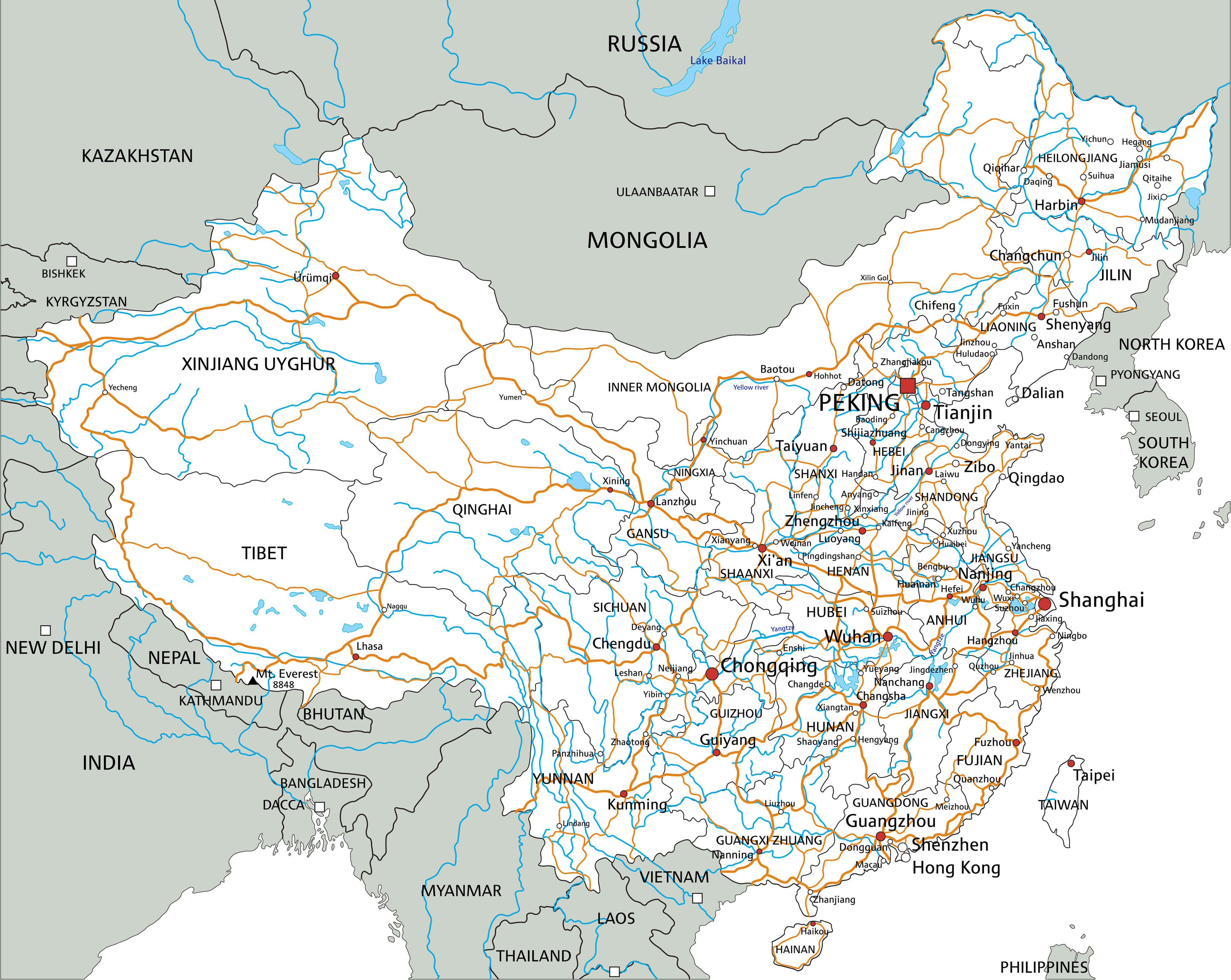
China tavel map
Top 10 Things to Do in China
1. Walk the Great Wall of China
Walk along the Great Wall of China and explore one of the world’s most famous historic landmarks. Popular sections near Beijing include Badaling and Mutianyu, where ancient watchtowers and mountain scenery create an unforgettable China travel experience.
2. Explore the Forbidden City in Beijing
Discover the Forbidden City in central Beijing, the former imperial palace of the Ming and Qing dynasties. Explore grand halls, courtyards, gates and historic collections while experiencing one of China’s most important cultural landmarks.
3. See the Terracotta Army in Xi’an
Visit the Terracotta Army near Xi’an to see thousands of life-size warriors and horses created for the mausoleum of China’s first emperor, Qin Shi Huang. This extraordinary archaeological site offers a fascinating window into ancient Chinese history.
4. Discover Shanghai and the Bund
Experience modern China in Shanghai, where futuristic skyscrapers meet historic architecture. Walk along the Bund for views across the Huangpu River toward Pudong, then explore traditional neighborhoods, shopping streets, museums and vibrant nightlife.
5. Explore Zhangjiajie National Forest Park
Explore Zhangjiajie’s spectacular sandstone pillars, deep valleys and forest-covered mountains in Hunan. The Wulingyuan Scenic Area is famous for its dramatic landscapes, panoramic viewpoints and hiking routes through one of China’s great natural wonders.
6. Cruise the Li River in Guilin
Take a Li River journey through the celebrated karst landscapes of Guilin and Yangshuo. Limestone peaks, green countryside and riverside villages create some of China’s most recognizable scenery and make the region a highlight for nature lovers.
7. Visit Chengdu’s Giant Pandas
See giant pandas in Chengdu, one of China’s most popular wildlife experiences. Combine a panda visit with Sichuan cuisine, traditional teahouses and the city’s relaxed neighborhoods for an introduction to the distinctive culture of southwestern China.
8. Experience the Potala Palace in Lhasa
Discover the Potala Palace in Lhasa, a monumental landmark of Tibetan history, religion and architecture. Rising above the city against a Himalayan backdrop, the UNESCO-listed palace is one of the most recognizable cultural sites on the Tibetan Plateau.
9. Explore Hangzhou and West Lake
Explore Hangzhou’s West Lake, a UNESCO-listed cultural landscape celebrated for its gardens, temples, pagodas and waterside scenery. Walking, cycling or boating around the lake reveals a landscape that has inspired Chinese artists and poets for centuries.
10. Taste Traditional Chinese Cuisine
Discover China’s culinary diversity through regional specialties, street food and traditional dishes. Try Peking duck in Beijing, dim sum in southern China, spicy Sichuan cuisine, dumplings, noodles and local teas for a memorable taste of Chinese culture.
China’s Top 10 Largest Cities
China largest cities map
Top 10 Largest Cities in China
1. Shanghai – 24,281,400
Shanghai is the largest city in this ranking, with 24,281,400 residents. Located on China’s eastern coast, it is a major global center for finance, trade and transportation, famous for the Bund, Pudong skyline and Huangpu River.
2. Beijing – 19,164,000
Beijing, China’s capital, has 19,164,000 residents in this ranking. The city is the country’s political and cultural center and is home to major landmarks including the Forbidden City, Tiananmen Square and nearby sections of the Great Wall.
3. Guangzhou – 13,858,700
Guangzhou has 13,858,700 residents and is one of southern China’s largest economic centers. Located in Guangdong Province on the Pearl River, the city is known for international trade, manufacturing, Cantonese culture and cuisine.
4. Shenzhen – 13,438,800
Shenzhen, with 13,438,800 residents, is a major technology and business hub in Guangdong Province. Located next to Hong Kong, it has grown rapidly into a modern metropolis known for innovation, electronics, finance and high-tech industries.
5. Tianjin – 11,744,400
Tianjin has 11,744,400 residents and is a major municipality and port city in northern China. Southeast of Beijing, it serves as an important industrial, manufacturing and transportation center with access to the Bohai Sea.
6. Chongqing – 11,488,000
Chongqing has 11,488,000 residents in this ranking and is a major economic center in southwestern China. Built around the Yangtze and Jialing rivers, the mountainous city is known for manufacturing, transportation and distinctive spicy cuisine.
7. Dongguan – 9,752,500
Dongguan has 9,752,500 residents and lies in Guangdong’s Pearl River Delta between Guangzhou and Shenzhen. It is one of China’s important manufacturing centers and forms part of the highly urbanized and economically powerful Greater Bay Area.
8. Chengdu – 8,875,600
Chengdu has 8,875,600 residents in this ranking and is the capital of Sichuan Province. The city is a major economic and cultural center of western China, widely known for Sichuan cuisine, teahouse culture and its famous giant pandas.
9. Wuhan – 8,652,900
Wuhan, with 8,652,900 residents, is the capital of Hubei Province and a major transportation hub in central China. Located where the Yangtze and Han rivers meet, it is an important center for industry, education, research and commerce.
10. Hangzhou – 8,109,000
Hangzhou has 8,109,000 residents and is the capital of Zhejiang Province. Famous for UNESCO-listed West Lake, the city combines historic landscapes with a strong digital economy and is one of eastern China’s leading technology centers.
Image Gallery of China
Chongqing China
Great wall of China
Jade Dragon China
Shenzhen China
Beijing China
China Tours
Feel free to explore these pages as well:
- China at a Glance: Facts, Geography, Cities, History, Economy & Culture ↗️
- China Map ↗️
- Map of China ↗️
- A Collection of China Maps ↗️
- China Cities Map ↗️
- Where is China on the Map ↗️
- China Physical Map ↗️
- China Political Map ↗️
- China Regions Map ↗️
- China’s Largest Cities ↗️
- China Time Zone Map ↗️
- Discover Time Zones of Asia with Russia, China, Australia, Pacific, and World ↗️
- The Heartbeat of China ↗️
- Unveiling the Mysteries of Chongqing ↗️
- Chengdu Unveiled ↗️
- Where is Taiwan in the World and A Collection of Taiwan Maps ↗️
- India Map ↗️
- Russia Map ↗️
- Pakistan Map ↗️
- Japan Map ↗️
- Asia Map ↗️
- Nepal Map ↗️

National flag of China
Location of China in East Asia